
Cough is a vital protective airway reflex that clears foreign particles and endogenous secretions from the respiratory tract and prevents aspiration.1 It is a forced, explosive maneuver occurring against a closed glottis and is characterized by a distinctive sound. Clinically, cough is a common yet challenging symptom, classified by duration into acute (<3 weeks), subacute (3–8 weeks), and chronic (>8 weeks). Accurate diagnosis depends on a structured clinical evaluation, including detailed medical, family, smoking, occupational, and medication history, as well as assessment of cough duration, timing, triggers, posture, and sputum characteristics.2 Management is guided by etiology and often requires a multidisciplinary approach involving pulmonologists, primary care physicians, radiologists, and allergists. Treatment focuses on addressing the underlying cause while providing symptomatic relief. Pharmacologic options include expectorants, mucolytics, bronchodilators, and pharyngeal demulcents, selected based on sputum type and airway involvement. In chronic conditions such as asthma or chronic obstructive pulmonary disease, long-term disease-specific therapy is essential. Early identification of red-flag features and appropriate referral improve outcomes and reduce chronic symptom burden.
Cough: Diagnostic Challenges and Multidisciplinary Management
|
|
19 Views
Recent Videos

Approach in Diagnosis and Management of Cough
|
Dr. Arya Akshay
|
456 Views

Simplify Cough Management in India: Key Points From Various Guidelines
|
Dr. Gaurav Agarwal
|
0 Views

Navigating RTI Management Challenges in Clinical Practice
|
Dr. Kisku Anthony
|
445 Views

Simplify Cough Management in India: Key Points From Various Guidelines
|
Dr. Sokuat Ali
|
0 Views
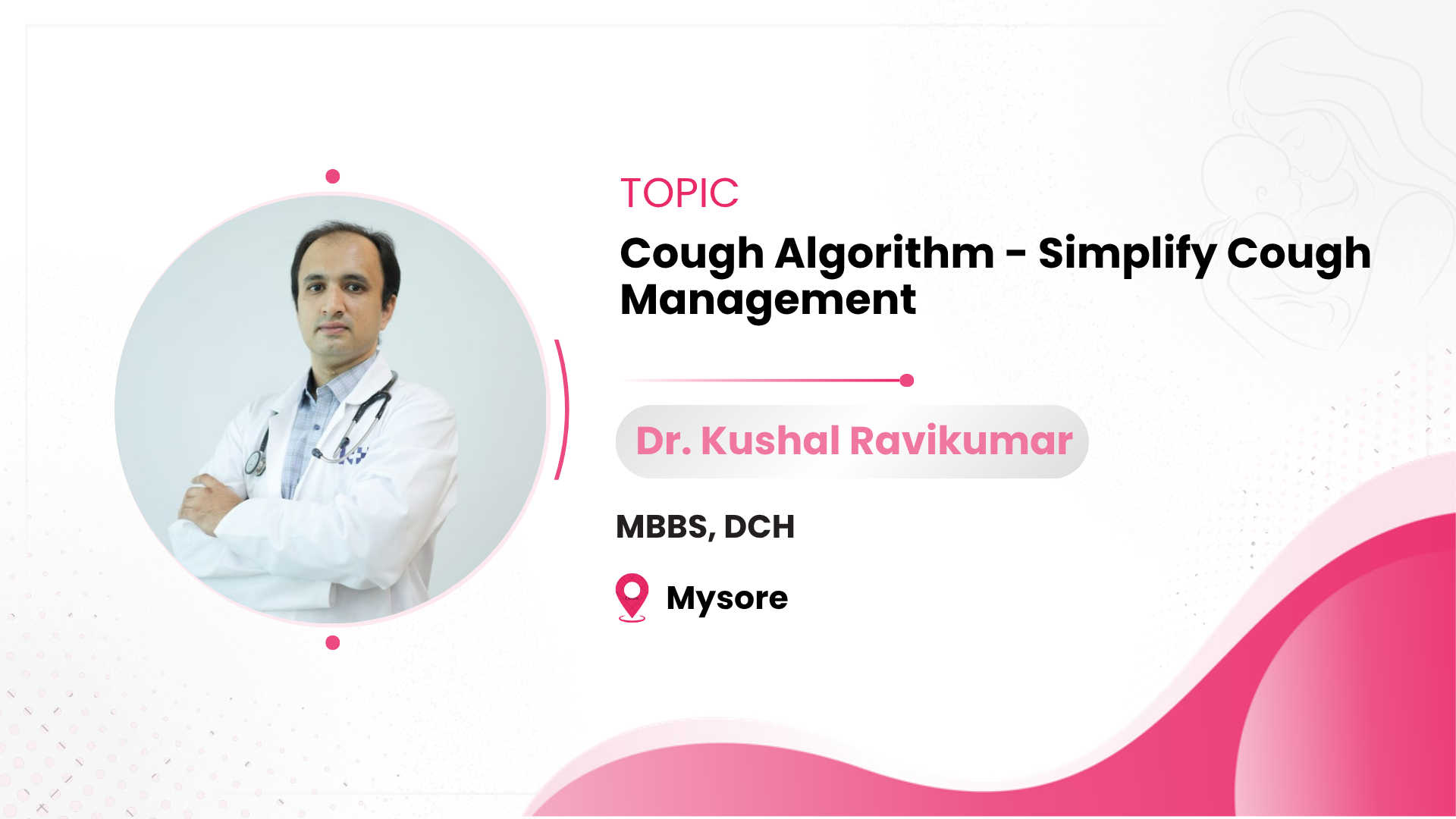
Cough Algorithm - Simplify Cough Management
|
Dr. Kushal Ravikumar
|
500 Views
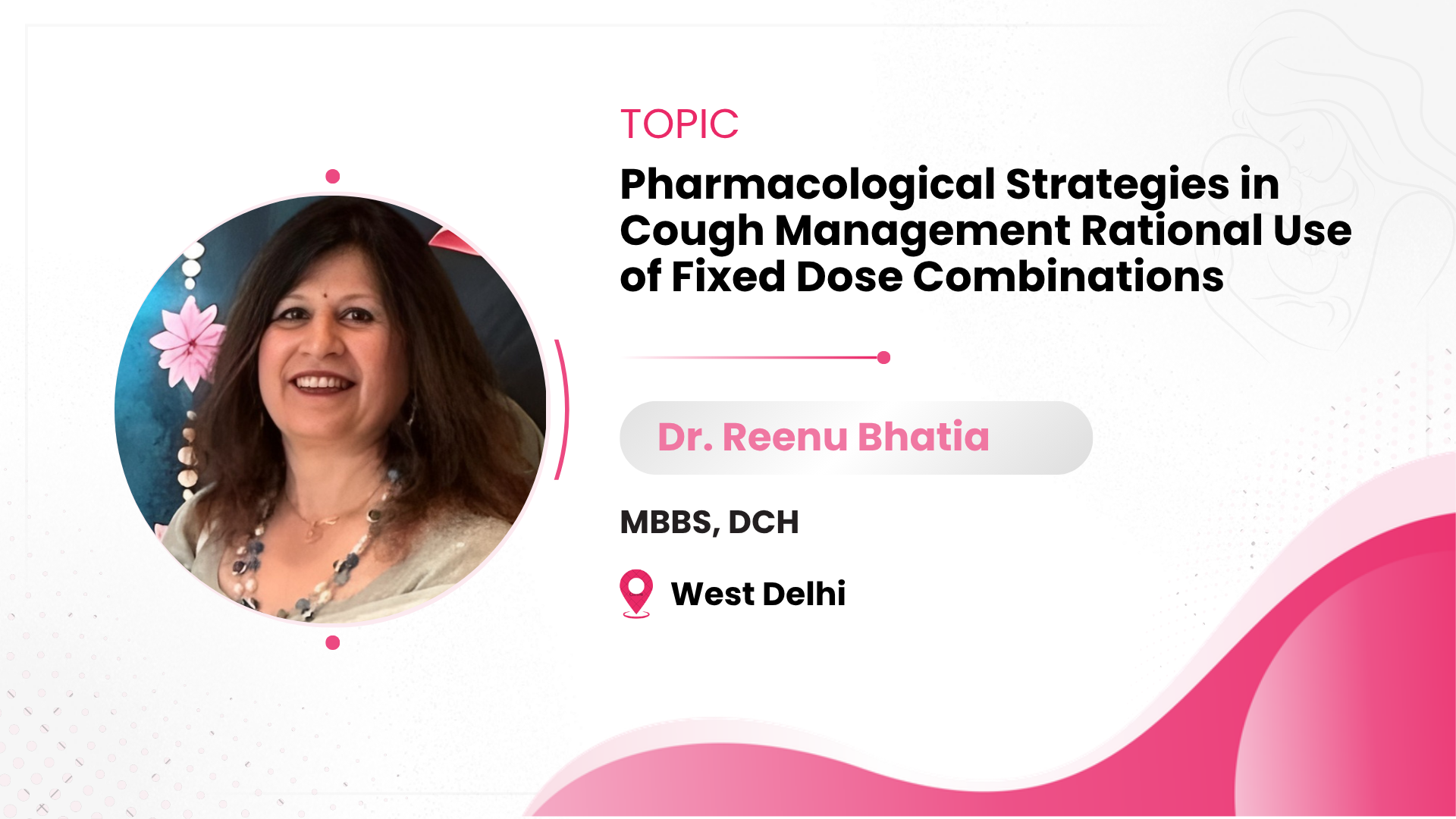
Pharmacological Strategies in Cough Management Rational Use of Fixed-Dose Combinations
|
Dr. Reenu Bhatia
|
476 Views

Navigating RTI Management Challenges in Clinical Practice
|
Dr. P K GUPTA
|
0 Views
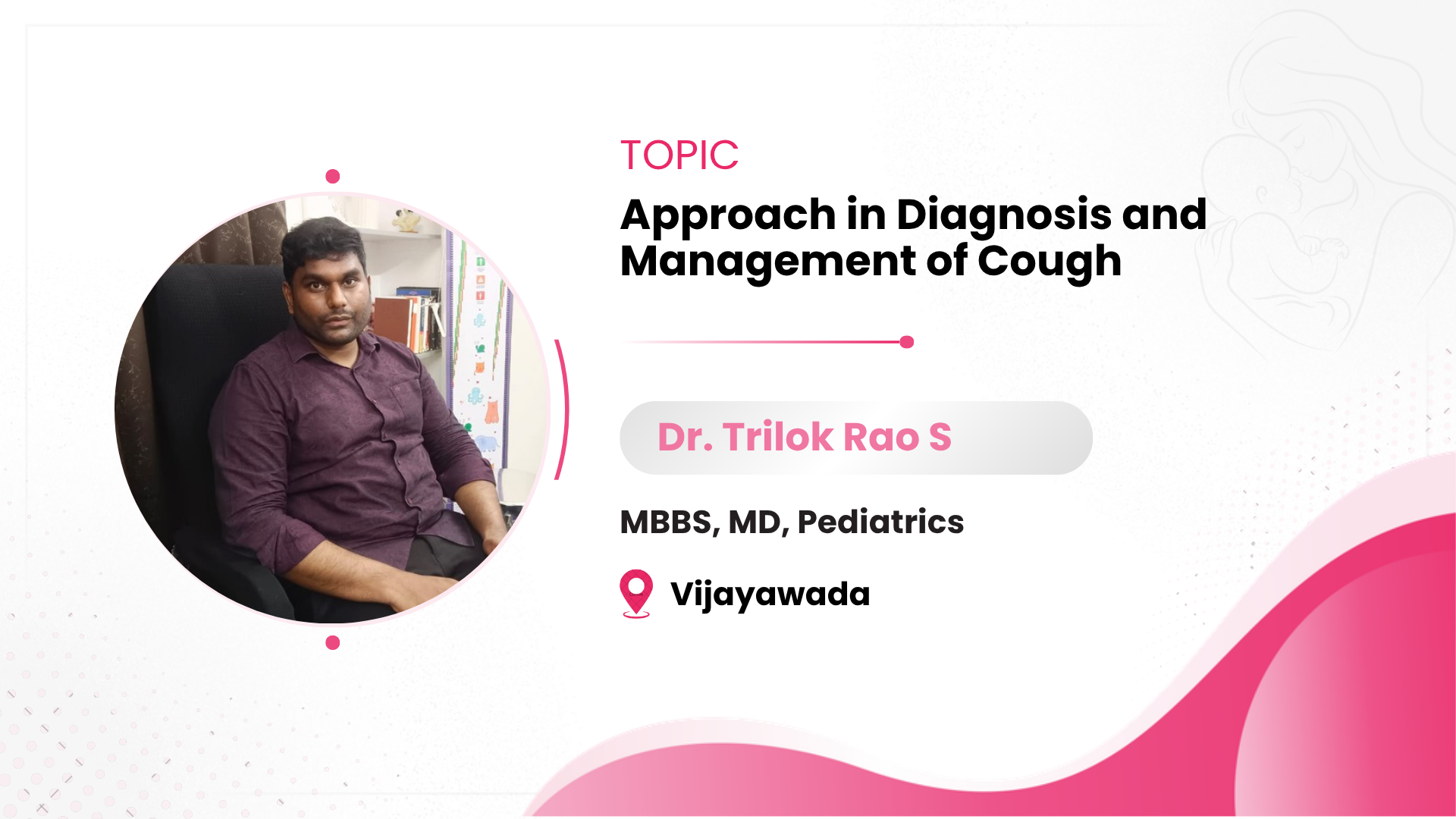
Approach in Diagnosis and Management of Cough
|
Dr. Trilok Rao S
|
465 Views